If you have recently completed your degree in the UK, you may be wondering how to stay longer and begin your career. The good news is that the Graduate visa, often called the Post Study Work (PSW) visa, offers eligible international graduates a straightforward route to remain and work in the UK without needing employer sponsorship.
A PSW application is the process of applying for the UK Graduate visa to stay and work in the UK after completing your studies. Eligible international graduates can usually stay for 2 years (or 3 years for those with a PhD or other doctoral qualification). Your psw application must be submitted from inside the UK before your Student visa expires.
Core documents for a psw application include a valid passport, your current Student or Tier 4 visa details, and your CAS reference number confirming successful course completion.
The typical processing time is up to 8 weeks. Current Home Office fees are £822 for the application plus £1,035 per year for the Immigration Health Surcharge. You can remain in the UK while a decision is pending. This guide by Salam Immigration walks you through every stage of your psw application, from checking eligibility and gathering documents to understanding fees and planning next steps.
What Is the UK Graduate Visa (PSW Visa)?
The UK Graduate visa or PSW visa, is a post study work route that allows eligible international graduates to stay in the UK to work or look for employment. Launched in July 2021 as part of the UK’s points-based immigration system, this visa has become one of the most popular routes for graduates, with over 150,000 grants in its first two years.
This visa is only available to those who already hold a valid Student visa or Tier 4 (General) visa and have successfully completed an eligible course in the UK. You cannot apply from outside the country or switch from a different visa category.
Most graduates receive a 2 year visa, while those who have completed a PhD or other doctoral qualification receive a 3 year visa from the date of the decision. The graduate route offers flexible work rights, meaning you can work in almost any role without sponsorship.
However, time spent on this visa does not count towards Indefinite Leave to Remain (ILR). This distinguishes it from longer term immigration routes such as the Skilled Worker visa, which leads towards settlement after 5 years. Now let’s guide you on the application for PSW.
Who Can Apply for a Graduate Visa?
There are specific criteria set by the Home Office for any PSW application. A valid passport and biometric residence permit (BRP) are required when applying for a UK Graduate visa. To apply for a PSW visa, you must do so online and ensure that you have all required documents prepared beforehand.
Essential eligibility requirements:
| Requirement | Detail |
| Current visa status | Hold a valid Student visa or Tier 4 (General) visa at the time of application |
| Course completion | Successfully completed an eligible UK course |
| Location | Apply from within the UK before your current Student visa expires |
| Course provider | Studied with a Home Office licensed Student sponsor |
Additional Criteria for Personal Care Roles
For personal support workers:
- Proof of up-to-date immunisations, including TB testing and Hepatitis B, is also required
- A Criminal Record Check and Vulnerable Sector Screening are almost always mandatory before beginning work with clients.
- A valid Standard First Aid and CPR/Basic Life Support (BLS) certificate is required to work.
- Specialized training in dementia, autism, or mental health can enhance the application.
- Some Personal Support Worker programs accept mature students who may qualify via an entrance assessment for English.
Qualifying Courses for PSW Visa
Qualifying courses include a UK bachelor’s degree, postgraduate degree (such as a master’s), PhD, or other Home Office approved qualifications. The education provider must formally inform the Home Office that you have successfully completed your course before you can submit your psw application.
For care-giving roles, most employers require a PSW Diploma or Certificate from an accredited college or private institution, taking between 5 to 10 months, and including classroom learning on anatomy, ethics, and caregiving methods.
Most applicants must have studied in the UK for a minimum period of at least 12 months, or the full course duration if shorter. This ensures that applicants cannot switch to this visa immediately after arriving in the UK.
If you do not meet Graduate route criteria, alternative work visas to stay longer include the Skilled Worker visa, Health and Care Worker visa, or family and settlement routes.
Qualifying courses typically include a UK bachelor’s degree, postgraduate degree (such as a master’s), PhD, or other Home Office approved qualifications. The education provider must formally inform the Home Office that you have successfully completed your course before you can submit your psw application.
Most applicants must have studied in the UK for a minimum period of at least 12 months, or the full course duration if shorter. This ensures that applicants cannot switch to this visa immediately after arriving in the UK.
If you do not meet Graduate route criteria, alternative work visas to stay longer include the Skilled Worker visa, Health and Care Worker visa, or family and settlement routes.
Documents You Need for Your PSW Application
Preparing your required documents carefully before starting your psw application is essential. Errors or missing items can lead to delays or refusal.
Core document checklist:
- Valid passport or travel document
- Biometric residence permit (BRP) if one was issued to you
- Details of current Student visa, Tier 4 visa or its alternatives
- CAS reference number from your final eligible course
A valid passport and biometric residence permit (BRP) are required when applying for a UK Graduate visa. The CAS used for your psw application must show course completion and be issued by the education provider that sponsored your qualifying studies.
Additional evidence may be requested, including:
- Proof of any name changes
- Police registration certificates (if applicable)
- Previous immigration documents
Documents not in English or Welsh must be accompanied by a certified translation meeting UKVI requirements. Both original and translated documents should be scanned clearly for online upload.
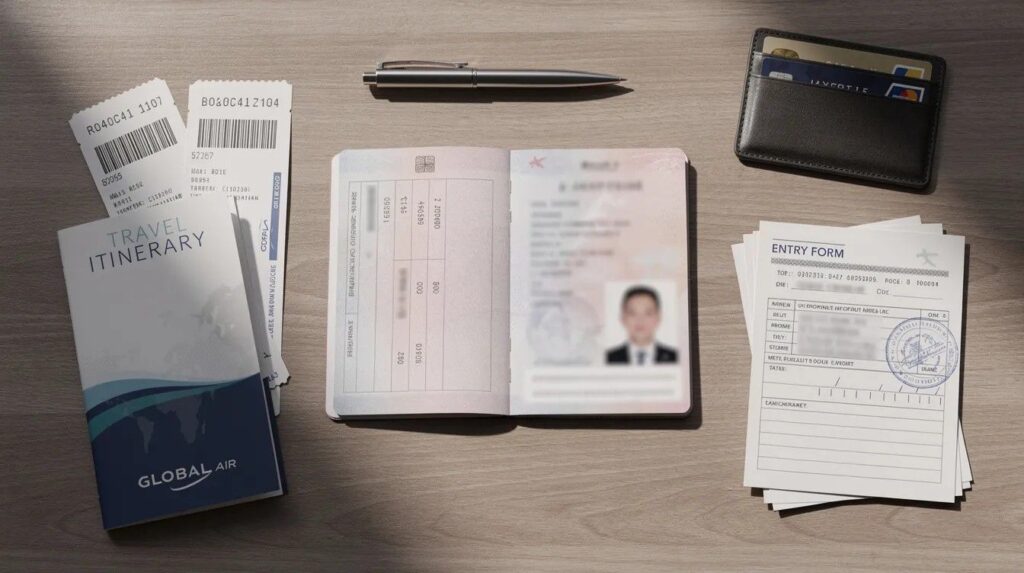
Other Supporting Documents and Identity Checks
Depending on your nationality and passport type, you may need to use the UK Immigration: ID Check app or attend a UKVCAS service point to provide biometric information.
At a UKVCAS appointment, fingerprints and a photograph are taken. Your passport or documents may be retained during checks, so avoid booking travel during this period.
Keep copies of:
- Academic transcripts
- Degree certificates
- University letters confirming successful completion
If you have dependants included in your application, you must hold birth certificates, marriage or civil partnership certificates, and evidence of ongoing relationship or parental responsibility.
How to Apply Online for the UK Graduate Visa
To apply for a PSW visa, you must do so online and ensure that you have all required documents prepared beforehand. The full process involves several steps.
Step-by-step application process:
- Create or log into your UKVI account at gov.uk/graduate-visa
- Select the Graduate route and complete the application form
- Pay visa fees online using a debit or credit card
- Upload supporting documents
- Complete identity verification via the UK Immigration: ID Check app or book a UKVCAS appointment
Your psw application must be submitted before the expiry date of your Student or Tier 4 visa. You must remain inside the UK until a decision is made.
The online system allows you to save and return to your application. Check each section carefully for errors or inconsistencies before final submission.
Once your psw application, biometrics and supporting documents are submitted, most decisions are made within 8 weeks. You can lawfully continue living in the UK during this period under Section 3C leave.
When to Apply and Common Timing Mistakes
You can apply for the PSW visa after your education provider has informed the Home Office that you have successfully completed your course, and you must apply before your current Student visa expires. This can happen before your formal graduation ceremony. Keep in mind that rules are the same whether you’ve been working on your student visa or not.
Common timing errors to avoid in your PSW application:
- Applying before your course provider has reported completion to UKVI (leading to refusal)
- Waiting until the last minute when biometric appointment slots are limited
- Leaving the UK while your application is pending (this can result in automatic withdrawal)
Check your visa expiry date months in advance. If your course is extended, repeated, or interrupted, speak to your university’s international office or an immigration solicitor.
Fees, IHS and Processing Times
Understanding the costs involved helps you budget effectively for your psw application.
Current fee breakdown (as of early 2026):
| Fee type | Amount |
| Application fee | £822 |
| Immigration Health Surcharge (per year) | £1,035 |
| Total for 2 year visa | £2,892 |
| Total for 3 year PhD visa | £3,927 |
The application fee for the PSW visa is £822, and the Immigration Health Surcharge is £1,035 per year, which totals £2,892 for a two-year visa. The healthcare surcharge must be paid in advance for the entire duration of the visa, even though it is an annual fee.
The PSW application fees are non-refundable, meaning that once paid, they cannot be returned regardless of the application outcome. However, cancellation before processing begins may allow a partial refund.
The processing time for a PSW visa application is typically up to 8 weeks after submitting your biometric information. Once you submit your application for the PSW visa, you typically receive a decision within 8 weeks, and you can remain in the UK while waiting for this decision.
If an appointment at a visa centre is required, the processing time can extend as the application review will be on hold until the appointment is completed. Applicants can remain in the UK while waiting for a decision on their PSW visa application, even if their Student visa expires during this period.
Public sector healthcare workers may have access to the separate Health and Care Worker visa, which has reduced fees and no Immigration Health Surcharge. Some healthcare staff may also qualify for IHS refunds.
How Long You Can Stay and What Happens Next
Most international graduates receive a 2 year Graduate visa, while those with PhD or other doctoral qualifications are normally granted three years from the date of approval.
Once your PSW visa expires, you cannot extend it, but you can switch to another visa, such as the Skilled Worker visa, to stay longer in the UK. Time spent on a Graduate Route visa does not count towards Indefinite Leave to Remain (ILR). You need to switch to an eligible visa to start accumulating qualifying residency time.
Many graduates transition to the Skilled Worker visa, Innovator Founder route, or family and settlement routes. Begin planning your next visa at least 6 to 12 months before your Graduate visa expires, taking into account job offers, sponsorship requirements, and long term settlement goals.
Working, Studying and Dependants on the Graduate Route

The PSW visa allows you to work in almost any job role and industry, including sectors like hospitality, retail, healthcare, IT, finance, and education.
What you can do on a Graduate visa:
- Work full-time, part-time, or on temporary contracts
- Be self employed or start a business
- Take internships or volunteer
- Work without a job offer or employer sponsorship
- Work at any skill level
With a PSW visa, you can work full-time, part-time, on a temporary contract, or even be self employed without needing a job offer or employer sponsorship. Data shows that approximately 10% of 2024 Graduate visa holders registered businesses with Companies House.
Key restrictions:
- You cannot work as a professional sportsperson or sports coach while on a PSW visa
- Study is limited to short courses under 6 months
- Longer or degree level study requires switching to a Student visa
Dependants who were already on your relevant Student visa (partners and children) can usually extend with you on the Graduate route. Each dependant must apply separately using their own online form, pay separate application and IHS fees, and prove identity and relationship to the main applicant.
Moving from Graduate Visa to Skilled Worker Visa
Many graduates use the Graduate route as a bridge to the Skilled Worker visa once they secure a qualifying job with a licensed UK sponsor.
Skilled Worker visa requirements:
| Requirement | Detail |
| Certificate of Sponsorship (CoS) | From a Home Office licensed employer |
| Eligible occupation | Listed SOC 2020 occupation code |
| Minimum salary | £38,700 (2026 threshold) |
| English language | B1 level (waived via UK degree) |
To qualify for a Skilled Worker visa, you must have a valid Certificate of Sponsorship (CoS) from a licensed employer with a job offer that meets the necessary qualifications and salary requirements.
Unlike the psw application, the Skilled Worker route leads towards settlement. After 5 years on this visa, you can apply for Indefinite Leave to Remain, provided you meet residence and salary thresholds.
Start conversations with employers early about sponsorship while still on your Graduate visa. This avoids gaps in leave and rushed applications.
How Salam Immigration Can Help with Your PSW Application
We, at Salam Immigration, offer tailored advice on eligibility for the Graduate visa, Skilled Worker visa, Health and Care Worker visa, and longer term settlement options. This ensures your psw application fits into your wider immigration plan.
Practical support available:
- Checking documents before submission
- Managing online forms
- Guiding clients through UKVCAS biometric appointments
- Advising on complex cases involving previous refusals, academic interruptions, or course changes
Request a Consultation to discuss your Graduate route options, PSW application process and next steps with an immigration solicitor today.
Frequently Asked Questions
Can I submit a PSW application if my university has not confirmed course completion?
No. Applicants must wait until their education provider has formally notified the Home Office that they have successfully completed their course before submitting a psw application. Applying before this confirmation is on record can lead to refusal, even if results are known informally. Contact your university’s international office to check when the completion report will be sent to UKVI.
Do I need to show bank statements or maintenance funds for a PSW application?
There is currently no maintenance or funds requirement for the UK Graduate visa, so bank statements are not normally needed for a psw application. However, graduates should still plan financially for visa fees, healthcare surcharge and living costs while looking for work.
Can I switch to a Graduate visa if I am outside the UK?
No. The Graduate route can only be applied for from inside the UK while holding a valid Student or Tier 4 visa. Leaving the UK before submitting a psw application will generally remove eligibility for this route.
What happens if my PSW application is refused?
A refusal letter will set out the reasons for refusal and any options for administrative review or new application. Time limits are strict, typically 14 days for administrative review, so graduates should seek prompt legal advice from an immigration solicitor to understand their position and next steps.
Can I be self employed on a UK Graduate visa?
Yes. Graduate route visa holders can normally be self employed, start a business, or work as freelancers, subject to UK tax and regulatory requirements. You cannot work as a professional sportsperson or coach, and should check specific immigration rules for your profession.
Start Your PSW Visa Application Today
Visa · Settlement · Legal Support