Applying for a UK student visa is an important step for anyone planning to pursue higher education in Britain. For some applicants, the process may include an interview student visa assessment, commonly known as a credibility interview. While not all students are selected, those who are asked to attend should treat it as a vital stage of their student visa application.
The purpose of the interview student visa assessment is not to trick applicants or test specialist knowledge. Instead, UK Visas and Immigration (UKVI) wants to confirm that an applicant is a genuine student who intends to study in the UK and has a clear understanding of their education plans. The interview process also helps officials assess English language ability, financial arrangements, academic background, and future career plans.
Many international students worry about the possibility of a interview student visa because they are unsure what questions will be asked. In reality, preparation is often the difference between a confident performance and an unsuccessful outcome. Students who understand their chosen course, chosen university, finances, and long-term objectives are usually well placed to answer questions naturally and convincingly.
At Salam Immigration, our immigration advisers regularly assist students with UK student visa applications, document preparation, and interview readiness. With years of experience supporting applicants across a wide range of immigration matters, our team understands the concerns students face when preparing for a credibility interview.
This guide explains everything you need to know about the UK student visa interview, including why interviews take place, what UKVI assesses, required documents, and preparation strategies.
What Is a UK Student Visa Credibility Interview?
A UK Student Visa Credibility Interview is an assessment conducted by UKVI to determine whether an applicant is a genuine student and meets the requirements of the student visa route.
The interview student visa assessment forms part of the wider visa application process. It allows a UKVI caseworker to verify information provided within the application form and supporting documents. During the interview, applicants may be asked about their academic background, previous study, chosen course, chosen university, finances, immigration history, and future plans after graduation.
The visa interview typically aims to assess if the candidate is a genuine student with a return plan. UKVI assesses if you are a genuine student. Interviews help confirm your intent to study in the UK. Demonstrating non-immigrant intent is important for student visa interviews, particularly when discussing future career plans and returning home after completing studies.
Not all applicants are required to attend a visa interview. Selection may be random, risk based, or linked to specific factors within a visa application. If UKVI decides that an interview student visa assessment is required, applicants will receive instructions explaining how and when the interview will take place.
Today, interviews are primarily conducted via video conferencing platforms. Interviews are primarily conducted via Teams or phone calls, although alternative arrangements may occasionally be used. In many cases, applicants receive a Microsoft Teams invitation and join the interview through a secure video link.
The format of interview student visa is generally straightforward. Credibility interviews last up to ten minutes, although UK student visa interviews can last up to 30 minutes depending on the circumstances of the application and the areas the interviewer wishes to explore. Applicants should remember that they will not receive a visa decision during the interview. The purpose is solely to gather information that will later be considered alongside the rest of the student visa application.
Throughout the interview process, UKVI assesses several factors, including:
- Knowledge of the chosen course and university
- English language skills and communication ability
- Financial arrangements for tuition and living expenses
- Previous education and academic progression
- Immigration history
- Future career plans
- Reasons for choosing to study in the UK
Knowledge of your course and university is assessed. Students must explain their reasons for choosing the UK for studies. The interview evaluates students’ knowledge of their chosen course. Students should prepare to discuss their post-graduation plans. Interviewers assess financial arrangements for tuition and living expenses.
Applicants should view the interview student visa process as an opportunity to demonstrate credibility rather than an obstacle. A clear understanding of study plans, honest answers, and good preparation can significantly improve the chances of a positive outcome.
When Might You Be Asked to Attend a UK Student Visa Credibility Interview and What Does UKVI Assess?
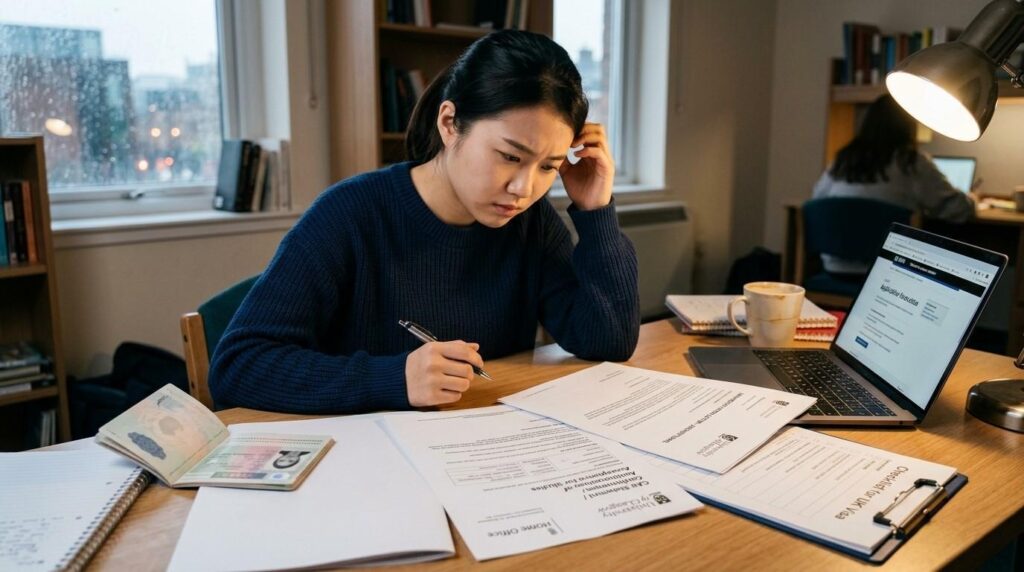
Many applicants assume that every interview student visa application automatically results in a visa interview. In reality, not all students are required to attend a visa interview. UKVI selects certain applicants for additional assessment where further clarification may be helpful. Being invited to a credibility interview UK student visa does not mean there is a problem with your student visa application. It simply means that a UKVI caseworker wishes to gather more information before making a decision.
Understanding why interviews take place and what is assessed can help applicants prepare effectively and approach the interview process with confidence.
Why Are Some Students Selected for a Credibility Interview?
There is no single reason why a student may be asked to attend an interview student visa assessment. In some cases, selection may be random. In others, UKVI may identify aspects of the visa application that require further explanation.
A common trigger is a previous refusal. If an applicant has been refused a visa in the UK or another country, the visa officer may want to understand the circumstances surrounding that decision and how to avoid common reasons for UK visa rejection in the future. Previous immigration history does not automatically lead to refusal, but applicants should be prepared to explain any issues honestly and clearly.
Complex financial arrangements can also lead to additional scrutiny. UKVI assesses your financial arrangements during the interview student visa. Students must explain their financial arrangements during the interview, particularly where tuition fees and living expenses are being funded by sponsors, family members, scholarships, or multiple funding sources. Applicants should be able to explain where funds originated and how education costs will be covered throughout their studies.
Other factors that may result in an interview student visa include:
- Significant gaps in previous study or employment history
- Inconsistencies within the application form
- Limited knowledge of the chosen course
- Unclear study plans
- Concerns regarding English language ability
- Unusual academic progression
- Applications involving substantial financial sponsorship
The interview student visa assessment allows UKVI to gain a clearer picture of the applicant’s intentions and circumstances before reaching a decision.
How Does the Credibility Interview Take Place?
The format of the modern UK student visa interview is relatively straightforward. Interviews are primarily conducted via video conferencing platforms. Most applicants receive a Microsoft Teams invitation and join through a secure video link at an agreed time and date.
Interviews are primarily conducted via Teams or phone calls. While in-person interview student visa is possible in limited circumstances, most credibility interviews are now completed remotely. This approach enables UKVI to assess applicants efficiently while maintaining accessibility for international students around the world.
Applicants should prepare their technology in advance. A stable internet connection, functioning camera, clear microphone, and quiet environment are all important. Technical issues can disrupt communication and affect the overall interview experience.
The interview student visa process usually begins with identity verification. Applicants may be asked to confirm personal details before substantive questions begin. The interviewer will then move through several areas relating to the student visa application.
Credibility interviews last up to ten minutes. However, UK student visa interview can last up to 30 minutes depending on the complexity of the case and the number of questions asked. Applicants should remain available throughout the scheduled period and avoid making assumptions about interview length.
It is important to note that you will not receive a visa decision during the interview. The interviewer gathers information that will later be reviewed alongside supporting evidence and the wider visa application. Applicants should also be aware that two ‘no-shows’ without valid reasons may lead to visa refusal. If attendance becomes impossible due to exceptional circumstances, UKVI should be informed as soon as possible.
Key Topics You Must Prepare For Before Your UK Student Visa Interview
Success in an interview student visa assessment often depends on preparation rather than memorisation. Many applicants focus solely on practising answers, but the most effective approach is to develop a genuine understanding of every aspect of the UK student visa application. If you know your academic background, chosen course, finances, and future plans thoroughly, answering interview questions becomes much easier.
The interview student visa is designed to assess whether your study plans are genuine and realistic. Below are the main areas that UKVI commonly explores, along with sample questions that may be asked during the interview process.
Academic Background
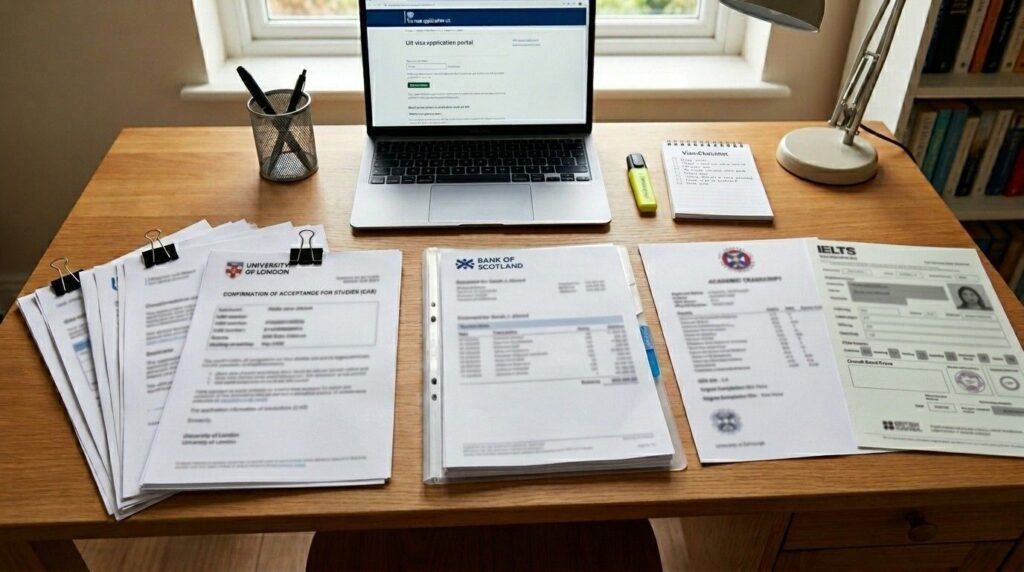
Your academic background helps UKVI understand whether your chosen course represents a logical progression in your education. The interviewer may review your previous study, qualifications, grades, and any gaps in your educational journey.
Applicants for interview student visa should be prepared to discuss the subjects they have studied, their academic performance, and how previous education has influenced their current study plans. If there are any gaps in education or employment, these should be explained clearly and honestly.
Common interview questions include:
- Tell me about your academic background.
- What qualifications do you currently hold?
- Why did you choose to continue your education at this stage?
- Can you explain any gap in your studies?
- What subjects did you enjoy most during your previous study?
The interviewer is not expecting perfect academic results. Instead, they are looking for consistency between your application form, academic records, and verbal answers.
Your Chosen Course
The chosen course is one of the most heavily assessed parts of any interview student visa assessment. Students should understand what they will study, how long the programme lasts, and how it contributes to their future career plans.
The interview evaluates students’ knowledge of their chosen course. Applicants who cannot explain basic details about their programme may create concerns about the credibility of their study plans. Before attending the interview student visa, research the course structure carefully. Review module descriptions, duration, learning outcomes, and career pathways linked to the qualification.
Common interview questions include:
- Why did you choose this course?
- What will you study during the programme?
- How long is the course?
- What are the core modules?
- How does this course relate to your previous education?
- How will this qualification help your career goals?
Students should explain their reasons naturally. Avoid rehearsed responses that sound scripted. A clear understanding of the course demonstrates genuine academic intent.
Your Chosen University
UKVI also expects applicants for interview student visa to understand why they selected their chosen university. Knowledge of your course and university is assessed throughout the credibility interview.
Applicants should research the university’s academic reputation, facilities, teaching methods, campus environment, and student support services. It is also useful to understand how the institution compares with any other university that was considered during the application process.
Common interview questions include:
- Why did you choose this university?
- What do you know about the university?
- Did you apply to any other university?
- Why did you prefer this institution?
- What facilities are available to students?
- What attracted you to this university’s academic reputation?
Students should be able to explain specific reasons for their choice rather than giving generic answers such as “it is a good university”. Specific knowledge demonstrates research and genuine commitment.
English Language Ability
English language ability is assessed continuously during the student visa interview. The interview assesses students’ English communication skills. You must demonstrate sufficient English language skills during the interview.
Although applicants often submit IELTS, TOEFL, PTE, or other approved test results, UKVI may still evaluate whether spoken communication reflects the level claimed in the application.
Language proficiency must be demonstrated through tests like TOEFL or IELTS for student visa applications. However, the interview student visa provides an additional opportunity for UKVI to assess practical communication skills.
Common interview questions include:
- Why did you take an English language test?
- What score did you achieve?
- How will studying in English help your future career?
- Have you previously studied in English?
The goal is not to use advanced vocabulary. Instead, applicants should speak English clearly, answer questions directly, and communicate confidently.
Financial Arrangements and Living Expenses
Financial arrangements are among the most important areas examined during an interview student visa assessment. UKVI assesses your financial arrangements during the interview. Interviewers assess financial arrangements for tuition and living expenses.
Applicants must demonstrate that they understand how their education will be funded and that sufficient funds are available throughout their studies.
Financial proof includes bank statements and sponsor details. Documentation for a student visa may include bank statements and academic records. Health documentation such as tuberculosis test results may be required for a student visa. Obtaining a student visa requires securing an acceptance letter from a host institution, which is a key step for applicants who are moving to the UK to study and live long term.
Common interview questions include:
- Who will pay for your tuition fees?
- How will you cover your living expenses?
- What is your sponsor’s occupation?
- How much money do you have available for your studies?
- Can you explain your financial arrangements clearly?
Applicants should know exact figures where possible and ensure that their answers match the financial documents submitted with the visa application.
Future Career Plans and Returning Home
Future career plans are another important part of the interview student visa. Students should prepare to discuss their post-graduation plans. Your future career plans must align with your studies.
The interviewer wants to understand how the chosen course supports long-term professional objectives. They may also explore intentions regarding returning home after graduation.
Demonstrating non-immigrant intent is important for student visa interviews. Applicants should be able to explain how the qualification will benefit their career in their home country or international employment market.
Common interview questions include:
- What are your career goals after graduation?
- What job do you hope to secure after completing your studies?
- How will this qualification help your future career plans?
- Why do you intend to return to your home country?
- What opportunities are available in your home country after graduation?
Students should avoid unrealistic claims or vague responses. A well-structured explanation showing how education leads to future employment opportunities often creates a stronger impression.
Across all topics, applicants should focus on consistency, honesty, and preparation. The strongest interview student visa responses are usually straightforward and supported by evidence already provided in the student visa application. When applicants understand their academic background, chosen course, university, finances, and career objectives, they are far more likely to approach the interview with confidence and credibility.
Expert Tips to Stay Confident During the Interview Student Visa
Feeling nervous before an interview student visa assessment is completely normal. However, confidence is not about memorising perfect answers. It comes from preparation, understanding your application, and communicating honestly. The following practical tips can help you remain calm and perform at your best during your UK student visa interview.
- Review your entire student visa application before the interview so that your answers remain consistent with the information already submitted.
- Research your chosen course and chosen university thoroughly, including course modules, duration, and the academic reputation of UK universities.
- Focus on understanding your study plans rather than memorising answers, as natural responses are more convincing during a credibility interview.
- Always answer honestly and stick to the truth, even if you are unsure about a particular question.
- Listen carefully to every question and take a moment to think before responding instead of rushing your answer.
- If you do not understand a question of interview student visa, politely ask the interviewer to repeat or clarify it rather than guessing.
- Practise speaking English regularly before the interview to improve confidence and demonstrate your English language ability.
- Review your financial arrangements, including tuition fees, living expenses, sponsor details, scholarships, and available funds.
- Be prepared to explain how your chosen course supports your future career plans and long-term professional goals.
- During a video interview, test your camera, microphone, internet connection, and Microsoft Teams access well in advance.
- Choose a quiet location with good lighting to minimise distractions and help you focus during the interview process.
- Keep all important documents organised and easily accessible, including your passport, CAS, academic records, English language test results, and financial documents.
- Remember that a formal application must be submitted to the host country’s immigration department for a student visa before any interview can take place, and you should stay informed about new UK immigration rules for international students that may affect eligibility and requirements.
- For a UK study visa, always check the latest visa application requirements on the official GOV.UK website before attending your interview.
- Remain calm throughout the conversation and treat the interview as an opportunity to explain your education plans rather than as an examination.
- Complete at least one mock interview before your appointment to improve confidence and identify areas that need further preparation.
- Give concise answers that directly address the question being asked, avoiding unnecessary details or lengthy explanations.
- Maintain professional body language, make eye contact with the camera where possible, and communicate clearly throughout the interview.
- Remember that the interviewer or UKVI caseworker is assessing whether you are a genuine student with realistic study intentions.
By preparing thoroughly, answering honestly, and demonstrating a clear understanding of your studies, you give yourself the best chance of a successful outcome.
Need Help Preparing for Your Interview Student Visa Assessment?
Preparing for an interview student visa assessment can feel overwhelming, especially when your future education plans depend on presenting accurate and consistent information.
At Salam Immigration, we help international students prepare for every stage of the UK student visa process, from reviewing supporting documents and financial evidence to conducting mock credibility interviews. Our experienced immigration advisers can help you understand what UKVI is looking for, identify potential weaknesses in your application, and improve your confidence before the interview.
If you would like professional guidance with your UK student visa application or interview student visa preparation, contact Salam Immigration and take the next step towards studying in the UK with confidence. If your application has already been refused, you may also benefit from specialist support with UK immigration appeals and challenging visa refusals.
Start Your UK Study Journey with Confidence
Visa · Settlement · Legal Support