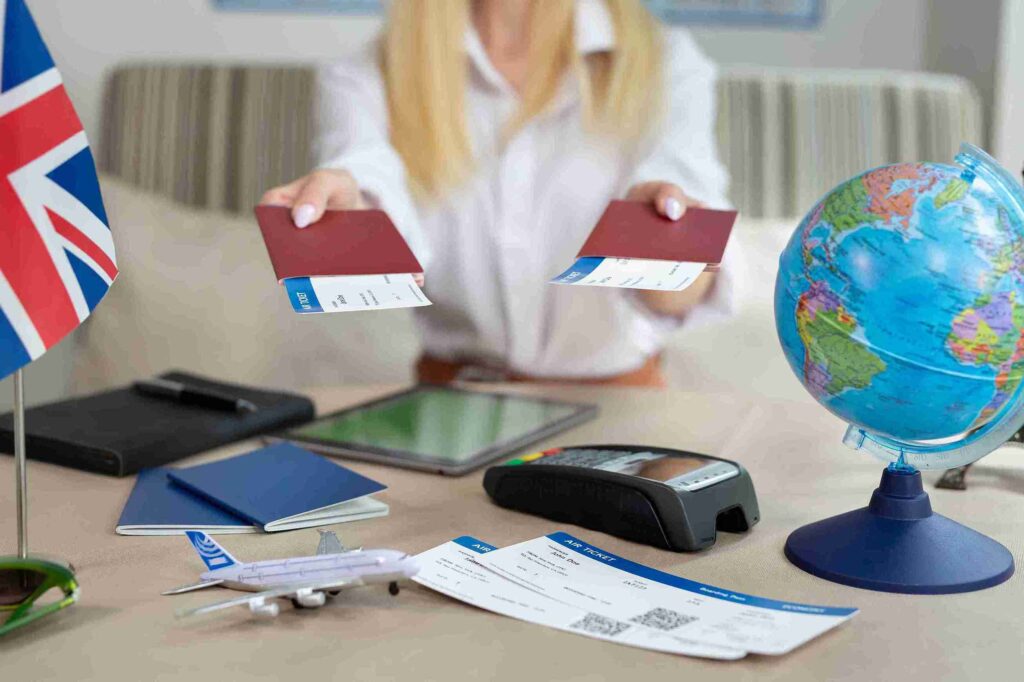
Relocating to a new country is exciting and overwhelming in equal measure. This moving to the UK checklist breaks the entire process into small, timed tasks so you can work through them calmly, one by one, whether you are moving to England, Scotland, Wales, or Northern Ireland.
Before you travel, organise important documents, set up your finances, arrange at least short term accommodation, and confirm your healthcare cover for the United Kingdom. After arrival, your most urgent tasks are opening a UK bank account, applying for a National Insurance number, registering for council tax, buying a mobile phone SIM, and signing up with a local GP.
We at Salam Immigration , a UK immigration law firm, help every client moving to the UK . Below you will find everything from visa preparation and banking to your first GP appointment and council tax registration.
How This Moving in UK Checklist Works? This checklist is structured by timeline: 2 to 6 months before you leave your home country, 2 to 4 weeks before departure, arrival week, and first 4 to 6 weeks in Britain. We have kept each bullet short and actionable so you can print the page and tick items off as you go.
The checklist applies whether you are relocating to England, Scotland, Wales, or Northern Ireland, but you should always double check the UK government website for the latest requirements. Significant differences exist between living in various regions of the UK, so research your specific area carefully
Pre-Move Essentials: 2 to 6 Months Before You Leave Always start planning for moving to united kingdom early. An international move takes more lead time than most people expect, so begin these tasks at least three to six months before your planned moving date. We recommend checking the processing time of your visa before anything else and then plan accordingly.
Gather important documents. Passports should be valid for at least six months. Collect birth and marriage certificates, degree certificates, bank statements, employment contracts, tenancy agreements or mortgage paperwork, and children’s school records.Choose your visa route . Most non-UK nationals require a visa aligned to their purpose of travel. Check whether a Skilled Worker visa, Spouse or Partner visa, Student visa, or Business immigration route fits your personal circumstances. A Skilled Worker visa is required for long-term employment in the UK. The application for a study visa can be made up to three months prior to the course start date. Secure the appropriate visa or work permit to relocate to the UK before doing anything else.
Back up everything. Scan and securely store these documents in cloud storage plus a USB drive kept in hand luggage.Research your route. If you are moving from US to UK, or from any other country, check the current UK government guidance on visas and right to work. Research and secure a visa through the UK Government Visa and Immigration Service.Get shipping quotes. If you are sending furniture or a few boxes, get at least three quotes from reputable international shipping companies and check UK customs rules for restricted items.Sort home-country affairs. Decide early what to do with property, car, and long-term contracts: sell, rent, store, or transfer.Build a budget. Calculate moving and living costs when planning your relocation. Include visa fees, flights, first three months’ rent and deposit, council tax, food, transport, and an emergency fund. Prepare necessary documentation such as passport and visa before moving.For international students. Confirm your CAS (Confirmation of Acceptance for Studies), course dates, and any university accommodation deadlines now. A CAS must be issued no more than six months before you apply for your visa.
If you may need a tailored Letter of Representation or help challenging a refusal via appeal or judicial review, speak to Salam Immigration as soon as possible.
Money and Banking: Set Up Finances Before Your Move Managing money is one of the most important parts of any moving to the UK checklist and should be sorted before booking flights where possible.
Check your current bank. Find out overseas card fees and daily limits. Tell your bank you will be moving to the United Kingdom so international transactions are not blocked. Also let credit card companies know your plans.Plan international money transfers. Compare banks and specialised transfer services, checking exchange rates and fees. Safe international money transfers can save you hundreds of pounds over the first year.Decide on a UK bank account. Many newcomers to the UK open a bank account after arrival. You need proof of a UK address to open a bank account with most high-street providers, though some banks allow you to open an account online before arriving. You can open a UK bank account with online banks like Monese if you want to get started before landing. Opening a bank account is essential for receiving income and paying rent once you arrive. Be aware that you may need a credit history to open a traditional bank account, so digital-first banks can be a good starting point.Bring some cash. Plan to carry around £200 to £400 in GBP for your first week, plus a card with low foreign-transaction fees.Build a cost spreadsheet. List expected monthly costs in Britain: rent, basic utilities, council tax, public transport, food, mobile phone contracts, TV packages, and subscriptions. This gives you a realistic picture of living expenses.Check double taxation. If you will have income in more than one country, check the rules between the UK and your home country on gov.uk or speak to a tax adviser.Visa financial requirements. Some visa routes require minimum savings or salary levels. We can support work visa clients and family members who need help proving they meet these thresholds.
Healthcare and Health Insurance Before You Travel Healthcare planning is a core part of moving to the UK, especially during the first months before you feel settled.
Immigration Health Surcharge (IHS). Many visa applicants must pay the Immigration Health Surcharge as part of their application. Pay the Immigration Health Surcharge to access the UK’s National Health Service. The standard rate is £1,035 per year, with a reduced rate of £776 per year for international students, dependants, and under-18s. Registering with a GP is covered under the immigration healthcare surcharge, and NHS services are free for residents and certain foreign nationals. Foreign nationals can also use the National Health Service in emergencies without charge.Bridge the gap. Consider health insurance from your home country or private insurance to cover any gaps until you can fully access public healthcare and NHS services. Travel insurance is also worth having for the journey itself.Gather medical records. Collect vaccination history, prescriptions, and a summary letter from your current doctor, translated into English if possible.Pack medicines. Bring at least one month of essential medicines in hand luggage, along with copies of prescriptions for UK doctors and customs officials. Check NHS guidance on bringing medicines into the UK, especially if any items are controlled drugs that need special permission.Children’s records. Those relocating to UK with children should request immunisation records and reports from paediatricians or therapists to support school or GP registration.
Documents, Visas and Legal Paperwork If one step of the paperwork is missing, the whole move to the UK can be delayed. Treat this section like a tight checklist.
Confirm your visa route early. Whether it is a family, partner, work, business, or student visa, confirm the correct category and check our service pages for guidance on each route.Match every detail. Double check names, dates of birth, passport numbers, and travel dates on all applications match your passports exactly. Confirm your visa type, conditions, and expiry date before leaving your home country.Print key documents. Have copies of visa decision emails, biometric residence permit or eVisa details, CAS, Certificates of Sponsorship, and any Home Office correspondence. Note that the UK increasingly uses digital immigration records instead of physical documents for many visa routes, and eVisas replaced the biometric residence permit in 2025.Prepare a travel folder. Keep it in hand luggage: passports, visas, rental agreements or hotel bookings, return or onward tickets, bank statements, and proof of funds.Letters of Representation. We can draft a detailed Letter of Representation to explain complex cases or previous refusals directly to the Home Office caseworker.Check family member rules. Review the latest guidance on gov.uk for bringing family members, showing financial evidence, and using the UK Immigration ID Check app or eVisa system.Previous issues. Anyone with a criminal record or previous immigration refusals should seek legal advice and professional advice before booking flights. Entry problems are easier to address in advance than at the border.
Remember the Visa durations to map out your stay. General Visitor visas allow stays up to 6 months, while Study Visitor visas last 6 to 11 months depending on the course. For longer stays, you will need the relevant visa for your purpose.
Housing and Address Planning Before You Land For most people relocating to England or elsewhere in Britain, arranging at least short term accommodation before arrival is essential. Private renting is increasingly popular in the UK, so you will likely start with a rented property.
Research neighbourhoods. Whether you are moving to London UK or moving to Britain more broadly, compare commute times, safety, rent levels, and schools. Housing costs vary significantly between London and regional towns and cities.Book temporary housing. If a long-term tenancy is not yet secured, book at least 2 to 4 weeks of short term accommodation such as a hotel, serviced flat, or short-term rental.Landlord documents. Renters may need to provide proof of income and references. Prepare your passport, visa, employment or university offer, previous landlord reference, and bank statements.Deposits and rent. Deposits typically equal one month’s rent in the UK, and you usually pay one month’s rent in advance. Deposits must be protected in a government-authorised tenancy deposit scheme. A tenancy agreement usually lasts for 12 months.Flat shares. If you are relocating to London and plan to share a flat, discuss how council tax, utility bills, and TV licence will be divided between flatmates.Directions. Print or save directions to your first UK address, including how to get there from the airport by train, coach, or taxi. Consider potential transportation arrangements when moving.
We can advise on the immigration side of renting, for example when a rental agreement is used to prove accommodation for family visas or extensions.
Practical Logistics: Flights, Shipping and Leaving Your Home Country Think of this as your departure-day moving to the UK checklist. Book, cancel, confirm.
Book smart flights. Choose flights that arrive at a sensible time of day for travelling onward, especially if moving to London England with children or large luggage.Confirm shipping. Check dates and insurance with your international removals company, and note the estimated arrival of your belongings in the UK.Hand luggage essentials. Create a “do not pack” list for valuables, documents, work laptop, packing materials you will need immediately, and personal items that must stay with you.Cancel home-country contracts. Transfer or end utility companies, internet service providers, local council bills, gym memberships, and other contracts.Mail redirection. Arrange mail redirection with your home-country postal service and update your new address with banks, tax authorities, and key subscriptions.Airport transfers. Book transfers at both ends, especially for families or late-night arrivals to Great Britain.Pets. Double check UK pet travel rules, vaccines, microchips, and approved travel routes on gov.uk if bringing an animal.
Arrival Day: What To Do in Your First 24 to 48 Hours You have landed. Here is a tight, simple checklist for the first day or two after you move to the UK, focused on safety, money, and communication.
Keep passports, visas, and documents together in an inside pocket or money belt during the journey from the airport.
Withdraw or exchange a small amount of cash in GBP at the airport if you arrive with no physical currency.
Purchase a basic UK SIM card on arrival so you have an immediate working mobile phone number. A UK SIM card is essential for mobile communication and staying in touch.
Check in with family members or friends back home, sharing the new UK address and local contact details.
First Week Checklist: Legal, Money and Everyday Essentials This is the core moving to the UK checklist for the first seven days, covering the most urgent registrations and set-ups.
National Insurance number A National Insurance number is essential for working in the UK. You can apply for a National Insurance number via the gov.uk website . Your National Insurance number is unique and never changes once issued. National Insurance contributions grant access to state benefits, and you need a National Insurance number to qualify for Jobseeker’s Allowance. Apply for a National Insurance number to work legally as soon as you have an address.
Opening a UK bank account. Bring your passport, visa, proof of address, and your National Insurance number if available. A current account makes everyday life much easier for managing finances, and is essential for receiving income and paying rent. Opening a UK bank account should be one of your first tasks.
Registering for council tax Register with your local council for council tax and set up a payment plan. Almost everyone aged 18 or over must pay council tax, and council tax must be paid monthly by renters. It is usually paid in monthly installments for ten months. Council tax funds local services provided by local authorities.
Certain groups may be exempt from paying council tax, and full-time students are exempt from paying council tax entirely. You can check your council tax band and registration details on your local authority website. Check if any discounts apply for single occupants.
Registering with a local GP You must register with a local GP to access NHS healthcare. You can register with a GP if staying for 3 months or longer. Use your passport, proof of address, and medical records where requested. Register with your local general practitioner early, as some practices have waiting lists.
Mobile phone & utilities Buy a UK SIM card or move from pay-as-you-go to a contract once you have a bank account and proof of address. Compare mobile phone providers for the best deal.
Set up gas, electricity, and water in your own name. Take a final meter reading when you move in and compare prices on a comparison site before choosing a provider. Ask about TV packages and broadband bundles. Also learn the digital BRP system to generate or prove your immigration status in the UK.
Salam Immigration clients can contact their case adviser if they need proof of address wording or immigration status letters for banks, employers, or landlords.
Settling In: First 4 to 6 Weeks After You Move This section is about turning a relocation to UK into a settled routine covering work, school, community, and long-term planning.
Schools and nurseries. Register children at local schools or nurseries as early as possible, and visit the premises if you have not already.Transport cards. Apply for an Oyster card or equivalent regional travel card if you are using public transport regularly.Set up regular payments. Use standing orders or direct debits through your UK bank account for rent, council tax, utility bills, and transport.Job hunting. If you arrived without work, update your CV to UK style and register on main UK job sites and with recruitment agencies. Whether you are self employed or looking for permanent roles, start early.Community. Research local community groups and support networks to help settle into your new life. Joining sports clubs, faith centres, Facebook groups, or expat networks is a great idea for building a social support system and practising English. Your local council website often lists local services and events.Review your budget. After one month, compare your spreadsheet to real costs of food, energy, and transport. Adjust spending where necessary.Visa renewals. Check expiry dates of visas and any biometric residence permit details, mark renewal dates in a calendar, and contact us around 6 to 9 months before any visa expires.
Moving to London England: Extra Tasks for the Capital Moving to London England brings specific transport, cost-of-living , and housing steps that deserve their own mini-checklist. Many people searching for how to move to London or how do I move to London will find these tips useful.
Learn the zones. London transport runs on zones. Buy an Oyster card or use a contactless bank card for Tube, bus, and train journeys.Compare boroughs. Research a few different boroughs before signing a tenancy. Council tax band D in London averages around £1,690 per year but ranges from roughly £1,028 in Wandsworth to about £2,609 in Kingston upon Thames. Rent, commute time, and safety also vary widely.ULEZ. Check if your new property is in the Ultra Low Emission Zone and whether any car journeys will face extra charges.GP and dentist. Register early. Some London practices have waiting lists for new patients, so do not delay. Find out which hospitals are nearest for emergencies.Embassy or consulate. If you are relocating to London, learn where your country’s embassy or consulate is located for emergency passport support.
We have a London office of Salam Immigration , so clients moving to London UK can request face-to-face consultations as well as remote meetings.
Connectivity and Everyday Life Admin Once the basics are in place, the next items on a moving to the UK checklist are connectivity, shopping, and day-to-day living.
Broadband. Compare internet service providers available at your postcode and book installation early. Appointments can take one to three weeks.Mobile contract. A SIM-only plan or mobile phone contract with enough data for maps, video calls home, and two-factor authentication for banking and government log-ins is essential for everyday life.GP and pharmacy. Choose a practice and pharmacy convenient to reach by foot or public transport from your home.Government accounts. Register online for a Government Gateway account for dealing with HMRC, tax, and some local council services.Library card. A library card often gives access to free Wi-Fi, study space, and English-language resources. This is especially useful for international students and workers settling into a new country.Home contents insurance. Set up basic contents insurance to protect personal items against theft, fire, or water damage, even in rented accommodation.
How to Move to the UK from US and Other Common Routes Many readers search for phrases like “how to move to the UK from US” and want a simple task list rather than dense legal text.
Check your eligibility. Use the official gov.uk visa checker to see which routes are open based on nationality and purpose. Whether your goal is work, study, family reunion, or investment, the right visa depends on your personal circumstances.Cultural adjustments. People moving from US to UK should research differences in tipping, public healthcare versus private insurance, rental expectations, and how to move to the UK without the surprises that catch many Americans off guard.Measurements and formats. Convert key measurements (Celsius, miles, kilograms) and get used to UK date formats (day-month-year) for forms and contracts.Stay connected. Set up international calling or video tools before leaving so family understand how to reach you easily after you start your new life in Great Britain.
Move to the UK with Expert Assistance Moving abroad is a big step, but breaking it into small tasks makes a successful move feel entirely manageable. Whether you are moving house across an ocean or relocating from a neighbouring country, the key is starting early and staying organised.
If your move involves a visa application, extension, appeal, or any question about your immigration status share code , we are here to help. With over 23,000 applications handled since 2018 and offices across the UK, Salam Immigration gives you a dedicated case adviser, clear communication, and the professional advice you need to arrive with confidence.
If you feel uncertain about how to move to London or another UK city, book a consultation with us
Frequently Asked Questions
What Should I Do Before Moving to the UK?
Start by confirming which visa route fits your situation, then gather all important documents, create a detailed budget, and research housing and jobs in your chosen area. Arrange health insurance or confirm your Immigration Health Surcharge payment so you are covered from day one.
What Documents Do I Need Before Moving to the UK?
You will need a valid passport, visa approval or eVisa details, proof of funds, accommodation details, an employment or university offer, and marriage and birth certificates for any dependants. Medical records and school records for children should also be included.
How Much Money Do I Need Before Moving to the UK?
The amount depends on your visa conditions and lifestyle, but many new arrivals aim to cover at least three months of living expenses plus housing deposits.
Can I Move to the UK Without a Job?
Some routes, such as partner visas, certain student visas, or specific investment categories, do not require a job offer. However, most work routes do, and moving to the UK without confirmed work means needing larger savings to cover rent, council tax, and day-to-day costs while job hunting. You cannot access public funds on many visa types, so planning ahead is critical. Check visa rules carefully and seek legal advice before assuming you can relocate without employment.
What Is Included in a UK Relocation Checklist?
A complete UK relocation checklist includes visa and document preparation, money and bank account setup, health insurance and GP registration, housing and council tax, a National Insurance number application, mobile phone and internet setup, and schooling where relevant.
Get Ready for Your Move to the UK
Moving Checklist · Visa Support · UK Settlement Guidance