Since the introduction of new UK travel and immigration measures, dual citizens, also known as dual nationals, face heightened scrutiny and procedural hurdles when entering the United Kingdom.
Dual nationals are individuals who hold multiple citizenships, meaning they are recognized as citizens of two countries simultaneously. Although the UK permits individuals to hold dual nationality, it is important to note that many countries have different nationality laws and specific laws regarding dual citizenship.
Some countries do not accept dual citizenship at all, roughly 49% of countries permit dual citizenship. So, individuals should always check with the relevant consulate or embassy to understand their country’s laws on dual nationality before pursuing or relying on dual citizenship. It is crucial to consult each country’s laws to understand the legal requirements and conditions that may apply to dual citizens.
Holding multiple nationalities can also result in overlapping legal and financial obligations, such as double taxation in both countries, and every dual citizen should be aware of these potential challenges. The responsibilities for travel documentation and proof of citizenship have become more stringent due to digital status records and upcoming permissions to travel requirements. As a dual citizen, understanding these requirements and the impact of a country’s laws is essential to avoid travel disruptions, complications with immigration checks, and unintended breaches of UK rules. Laws can change, for example, as of June 2024, Germany allows dual citizenship for citizens of all countries.
In this guide, we will examine the legal framework for dual citizenship in the UK, outline common challenges dual citizens face, including obligations such as double taxation in both countries, and provide clear steps to mitigate these issues. Throughout, we draw on the professional insights and service experience of Salam Immigration, trusted UK immigration lawyers with extensive expertise handling citizenship, settlement, and nationality matters.
How Dual Nationality Works in the UK?
Dual nationality, also known as dual citizenship, is the legal status of an individual who holds citizenship in two or more countries at the same time. This status can arise through various pathways, such as being born in one country to parents from another, acquiring citizenship by naturalisation, marrying a foreign national, or through descent from parents or grandparents. In the context of British citizenship, the United Kingdom’s nationality law allows individuals to hold British citizenship alongside foreign citizenship, making it possible for a person to be a British citizen and a citizen of another country simultaneously.
The UK government’s approach is relatively flexible, as it does not require British citizens to renounce their other nationality when acquiring or retaining British citizenship. However, not all countries permit dual citizenship, and some may require individuals to give up their original citizenship before being granted citizenship in a new country. It is therefore essential for anyone considering dual nationality to check the nationality rules and specific laws of both the UK and the foreign country involved. Understanding whether countries permit dual citizenship can help avoid unintended loss of rights or complications with nationality status.
For dual British citizens, those who hold both British citizenship and another nationality, there are important considerations regarding travel documentation and proof of citizenship. When travelling to the UK, it is strongly advised to use a valid British passport or, where applicable, a certificate of entitlement to the right of abode.
This ensures smooth passage through UK passport control and avoids potential challenges that may arise from presenting only a foreign passport. With the introduction of the Electronic Travel Authorisation (ETA) scheme, certain foreign nationals must obtain an ETA before travelling to the UK. However, British or Irish citizens, including those with dual nationality, are not eligible for an ETA and must instead rely on their valid British or Irish passport for entry.
The move towards digital verification and automated border checks has increased the importance of having the correct travel documentation and up-to-date nationality records. Dual British citizens must be proactive in maintaining their valid British passport or ensuring their certificate of entitlement is current and properly linked to their travel documents. Failing to do so can result in delays, denied boarding, or complications at the UK border, even for those who are legally entitled to enter the country.
Dual nationality is a complex area, influenced by a range of factors including a country’s laws, individual circumstances, and the specific rules governing citizenship rights. For example, some countries automatically grant dual nationality to a child born to parents of different nationalities, while others may require formal applications or the renunciation of one nationality before another can be granted. Navigating these complexities requires a clear understanding of both British and foreign citizenship laws, as well as the practical requirements for travel and residency.
Eligibility Criteria for Dual British Citizenship
Eligibility for dual British citizenship is determined by a combination of UK government rules and the laws of the other country involved. British law permits dual nationality, allowing individuals to hold British citizenship alongside foreign citizenship, but not all countries permit dual citizenship. Before applying, it is essential to confirm whether your home country allows you to hold dual nationality, as some countries require you to renounce your original citizenship when acquiring another. You should always consult your country’s laws to understand the specific legal requirements and conditions regarding dual citizenship.
There are several pathways to becoming a dual British citizen. Common routes include naturalisation (for those who have lived in the UK for a qualifying period and meet residency requirements), marriage to a British citizen, or descent (for example, a child born abroad to a British parent may be eligible for British citizenship). Each route has specific eligibility criteria, such as holding permanent residency, demonstrating good character, and meeting language requirements.
How Can You Become Eligible to be a Dual Citizen in the UK?
To apply for dual British citizenship, you must satisfy the UK’s eligibility requirements, which typically include holding a valid British passport or having permanent residency in the UK. It is equally important to ensure that your foreign citizenship remains valid and that your home country’s laws permit dual citizenship. The UK government does not require you to renounce your British citizenship if you acquire another nationality, but you should always check the rules of your other country of citizenship to avoid unintended loss of rights or status. The Home Office is the government authority that handles immigration matters in the United Kingdom, including citizenship applications. The application process for dual citizenship in the UK requires gathering and organising necessary evidence to meet the Home Office’s requirements. The application for British citizenship can be made online through the UK government’s official website.
What Benefits You Can Get as a British Citizen?
Dual British citizens enjoy significant benefits, such as the right to live, work, and access public benefits in the UK, as well as the ability to travel freely between the UK and their other country of citizenship. However, holding dual citizenship can also present potential challenges, including navigating complex tax obligations, understanding diplomatic protections, and ensuring compliance with both countries’ nationality rules.
With the introduction of the Electronic Travel Authorisation (ETA) requirement from 25 February 2026, dual British citizens who also hold citizenship of an ETA-eligible country must ensure they travel to the UK using a valid British passport, Irish passport, or a certificate of entitlement. Failing to do so may result in denied boarding or additional checks at UK passport control.
Rights and Responsibilities of British Citizens and Dual Citizens
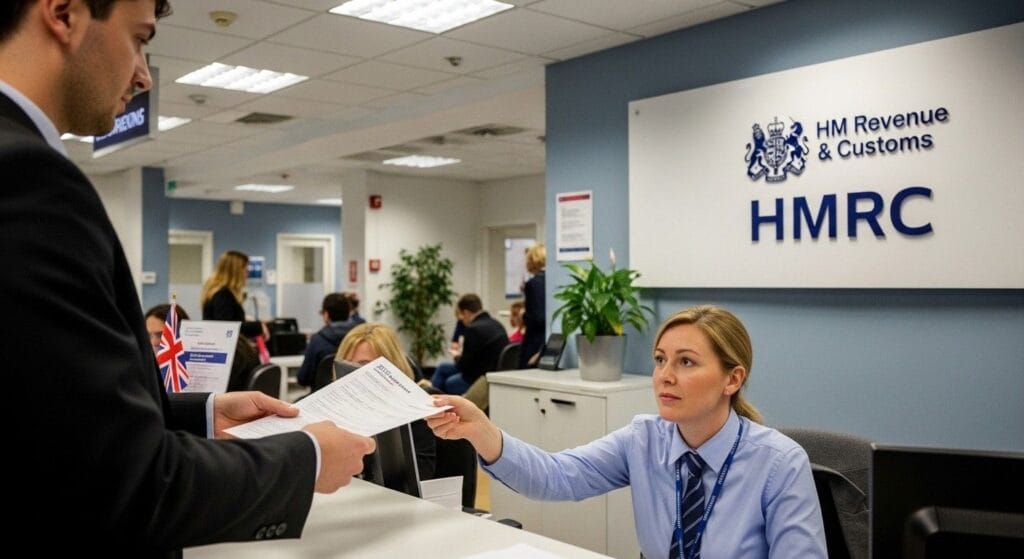
Understanding the legal position of a dual citizen in the United Kingdom requires clarity about both rights and responsibilities. British dual nationals, who may hold British or Irish citizenship, are subject to the rights and responsibilities of both countries.
Key Rights of a British Dual Citizen
A dual citizen who holds British nationality enjoys the same legal protections and entitlements as any other British citizen. These rights are not diminished by holding another nationality.
Core rights include:
- The right of abode in the UK (no immigration control)
- The unrestricted right to live and work in the UK
- The right to vote in UK general elections and referendums
- Access to public services, including the NHS
- The ability to apply for and renew a British passport
- Protection under UK law and consular assistance abroad (subject to limitations explained below)
- The ability to travel between the two countries without visas, using either of their two passports
Legal Responsibilities of a Dual Citizen
A dual citizen must comply with the country’s laws of both countries of nationality. This may create overlapping legal and financial obligations, including potential double taxation. These obligations may include:
- Tax liabilities in another jurisdiction
- Military service obligations (in some countries)
- Civic duties such as registration requirements
- Compliance with passport and travel laws of both states
For example, a dual citizen travelling to their other country of nationality may be treated exclusively as a citizen of that country. In such cases, UK diplomatic intervention may be limited.
Limits of Diplomatic Protection Abroad
One of the most misunderstood challenges facing a dual citizen is the limitation of UK diplomatic support when present in their other country of nationality.
If a dual citizen travels to their second country and encounters legal or political difficulties, that country may regard them solely as its national. In such circumstances, the UK government may not be able to provide full consular assistance. Diplomatic help may be unavailable when a dual citizen is in a country where their government cannot provide assistance, due to legal and diplomatic restrictions. This is particularly relevant for dual citizens travelling to countries with strict nationality enforcement policies.
This legal principle highlights why professional advice is often necessary, especially where complex nationality laws intersect.
British Passport vs Certificate of Entitlement : What Dual Citizens Must Know
One of the most significant practical challenges facing a dual citizen is proving British citizenship when travelling to the United Kingdom.
From 25 February 2026, every British dual citizen must travel to the UK using a British or Irish passport or a certificate of entitlement. This requirement applies to those with Irish citizenship as well, so it is important for dual citizens to ensure they carry the correct British or Irish travel document.
British citizens are exempt from the Electronic Travel Authorisation (ETA) requirement, but this exemption only applies when British citizenship can be evidenced in an acceptable form, such as a valid passport or certificate of entitlement.
Why a Dual Citizen Should Travel on a British Passport
Under UK law, a British national, including any dual citizen, is expected to enter the United Kingdom using a British passport. Although there is no criminal offence for failing to do so, travel carriers are legally obliged to verify that passengers have the correct permission to travel.
As a dual national, you must travel to the UK using either a valid British passport or a certificate of entitlement. Therefore, the safest and most compliant approach for any dual citizen is to travel to the UK using a valid British passport. A valid passport remains the strongest and simplest proof of status.
What Is a Certificate of Entitlement?
For a dual citizen who does not hold a valid British passport, an alternative form of proof exists: the Certificate of Entitlement to the Right of Abode.
This document confirms that the holder has the right of abode in the UK, meaning they are free from immigration control. It is typically placed inside a foreign passport (or, from 2026 onwards, issued digitally). The Certificate of Entitlement is particularly relevant where:
- Other nationality of dual citizen does not allow dual passports.
- The individual faces administrative delays in renewing a British passport.
- The dual citizen chooses to travel primarily on a foreign passport for international reasons.
However, it is important to understand that a Certificate of Entitlement is not a substitute for citizenship, it is merely proof of an existing right.
2026 Digital Certificate of Entitlement Rollout: What Changes?
From February 2026, the UK Home Office will transition physical immigration status documents to digital records. The traditional vignette placed inside a foreign passport will be replaced by a digital immigration status accessible through a UK Visas and Immigration (UKVI) account.
This means a dual citizen will no longer hold a physical sticker confirming their right of abode. Instead, their status will be recorded electronically and linked to passport details.
Travelling to the UK as a Dual Citizen: ETA Rules Explained

With the introduction of the Electronic Travel Authorisation (ETA) system, confusion has increased for many travellers. The ETA system has changed how British citizenship is expected to be proved at the UK border, and dual citizens with ‘other citizenship’ must ensure their ‘nationality status’ is properly documented. British dual nationals must be aware of the new requirements for travel documentation to avoid issues at border control. However, for a dual citizen who holds British nationality, the position is legally clear, a British national is not eligible for an ETA.
Despite this, many dual citizens encounter problems because they attempt to travel on their non-British passport without presenting proof of British citizenship.
Are British Nationals Eligible for an ETA?
No. A dual citizen who is a British national must not apply for an ETA. The ETA system applies only to individuals who require permission to travel but do not need a visa.
Because a dual citizen already has the right of abode, applying for an ETA is inappropriate and may lead to administrative complications. In some cases, systems may reject the application automatically. In others, approval may be granted incorrectly, creating confusion at the point of departure. The key principle is this: A dual citizen should enter the UK as a British national, not as a foreign visitor.
Carrier Liability and Pre-Departure Checks
Airlines and transport carriers are subject to carrier liability penalties if they transport passengers without valid permission to enter the UK. As a result, carriers conduct pre-departure checks using automated systems.
If a dual citizen presents only a foreign passport, the system may check whether:
- A visa is required.
- An ETA is valid.
- Immigration permission exists.
If no permission is detected, boarding may be refused, even though the individual is legally British.
This distinction between legal status and proof of status is central to the challenges faced by a dual citizen. It is important to note that border control measures focus on verifying proof of nationality status, such as a valid passport, rather than the underlying legal concept of nationality status itself. The issue is rarely about entitlement; it is about documentation.
Stricter Enforcement from February 2026
From 25 February 2026, enforcement is expected to become more robust due to digital verification systems and full integration of ETA checks. For a dual citizen travelling without a British passport or digital Certificate of Entitlement correctly linked to their passport, risks include:
- Refused boarding.
- Significant travel delay.
- Financial loss due to rebooking.
- Reputational impact for business travellers.
Advance preparation is therefore essential. A dual citizen should verify documentation well before departure, particularly where digital status is involved.
Salam Immigration has observed a growing number of enquiries from dual citizens who have been refused boarding despite holding British nationality. In nearly all cases, the issue was documentary rather than legal.
What Dual Citizens Should Do Now (2026 Action Plan)
As travel enforcement becomes increasingly digital, every dual citizen should take practical steps to protect their right of entry to the United Kingdom. Legal status alone is no longer sufficient; accurate and up-to-date documentation is essential.
Dual citizens should carefully consider their individual circumstances and seek guidance from expert immigration lawyers to avoid application rejection and maximise their chances for success. Legal experts can also assist in gathering and organising the necessary evidence to align with Home Office requirements for dual citizenship applications. Employers should be aware of the implications of dual citizenship on business travel planning and workforce continuity. Additionally, dual citizens may be subject to taxation on worldwide income in both countries, so it is important to seek professional advice if unsure about tax obligations.
Renew or Apply for a British Passport
For most individuals, the most reliable proof of status is a valid British passport. A dual citizen should ensure their passport is renewed well before expiry to avoid travel disruption. Having a valid passport is essential for travel to the UK, as it is required for eligibility for certain travel exemptions and entry requirements. Airlines will not accept expired documents, even where citizenship is undisputed.
Consider a Certificate of Entitlement Where Necessary
Where holding a British passport is not possible, a dual citizen may apply for a Certificate of Entitlement to confirm the right of abode. This option should be carefully assessed, particularly in light of the transition to digital status from 2026.
Maintain Accurate Digital Records
A dual citizen relying on digital proof must ensure their UKVI account reflects current passport details. Failure to update information after renewing a passport can result in system mismatches and refused boarding.
Avoid Incorrect ETA Applications
A British dual citizen should not apply for an ETA. Entering the UK must be done as a British national, and incorrect applications may complicate travel records.
Seek Professional Advice Where Needed
Complex nationality histories, documentation inconsistencies, or urgent travel concerns should be reviewed by experienced immigration advisers. Salam Immigration supports dual citizens in safeguarding their status and ensuring compliance with evolving Home Office systems.
Secure Your Travel Rights as a Dual Citizen with Expert Advice
Navigating the complexities of dual citizenship, travel documentation, and digital immigration requirements can be challenging. Even minor errors in passports or certificates can lead to refused boarding or unnecessary delays. At Salam Immigration, our team of experienced UK immigration advisers provides clear, practical guidance for dual citizens, ensuring your documents and digital records are accurate and compliant.
Contact us today to review your status, prepare for travel, and secure peace of mind with expert legal support.
Understand Your UK Dual Citizenship Challenges Today
Visa · Settlement · Legal Support